Butterfly Flowers Design Review
As an embroidery designer who has spent years turning digital concepts into tangible brand assets, I approach every new file with a mix of creative appreciation and commercial scrutiny. When reviewing the Butterfly Flowers design for potential use in small business merchandise, branded patches, and custom apparel, my primary focus is not just on how beautiful it looks on a screen, but how well it translates to the needle and thread. This review evaluates the design’s suitability for professional applications, from boutique product labels to staff uniforms.
First Impressions: Visual Personality and Brand Fit
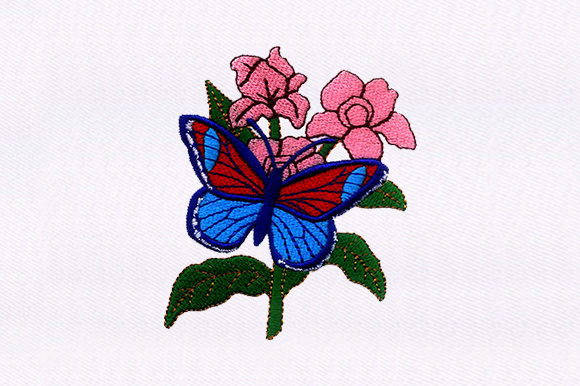
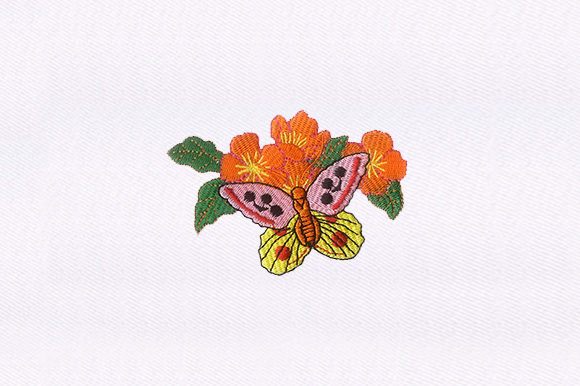
The title Butterfly Flowers immediately suggests a design that balances organic elegance with playful charm. In the context of Single Flowers within the broader Embroidery category, this piece likely serves as a focal point rather than a background pattern. My initial assessment is that the design feels friendly yet refined, making it versatile for brands that want to project warmth without sacrificing professionalism.
For a local café or a handmade floral shop, the aesthetic hits the sweet spot between rustic and modern. It avoids being overly ornate, which is crucial for maintaining legibility when digitized. The concept implies a natural, flowing composition that works exceptionally well for brand identity purposes. It signals to the customer that the business values craftsmanship and nature-inspired beauty. Whether used on a handmade product tag or a large tote bag, the visual personality remains consistent: approachable, artistic, and distinctly boutique.
Real-World Business Applications
The true test of any machine embroidery design is its performance across various merchandise types. Here is how Butterfly Flowers holds up in practical scenarios:
- Embossed Patches and Badges: This design is ideal for creating high-quality embroidered patches. The distinct shape allows for clean edge finishing, whether you are using merrowed edges for a classic look or laser-cut edges for a modern finish. These patches can be sewn onto denim jackets, backpacks, or aprons to add a premium touch to small business merch.
- Staff Uniforms and Aprons: For florists, bakers, or boutique retail staff, a chest-sized logo featuring this design adds a personal touch to workwear. Unlike generic corporate logos, Butterfly Flowers feels curated. It enhances the professionalism of the staff while reinforcing the brand’s aesthetic. On canvas or cotton twill aprons, the design stands out clearly, improving customer trust by signaling attention to detail.
- Caps and Headwear: Embroidering this on the front panel of a structured cap requires careful hoop placement. However, when executed correctly, it creates a striking focal point. It is particularly effective for craft fair vendors or creative studios looking to create uniform branding for their team.
- Tote Bags and Product Packaging: A single, centered application of this design on a canvas tote bag elevates the item from a simple utility object to a desirable accessory. Similarly, placing a smaller version on product packaging accents or hang tags can significantly boost perceived value. It turns a standard purchase into a memorable handmade product experience.
- Etsy and Digital Assets: For sellers offering digital files, this design serves as a strong asset. It can be featured in printable mockups to help buyers visualize the final result on different fabrics, bridging the gap between digital purchase and physical creation.
Strategic Considerations and Limitations
While the design has strong potential, there are specific areas where caution is required to ensure a high-quality finished product. Not every surface or size is suitable for this particular artwork.
Small Patch Sizes: If scaling this design down too much, fine details may become muddy or lost entirely. It is essential to check the minimum viable size before committing to production. Tiny lettering or intricate petal outlines might merge together if the stitch count is too high for the available space.
Curved Surfaces and Caps: Embroidering on curved surfaces like cap fronts requires precise stabilization. Without proper technique, the design may pucker or distort. The stitch density must be balanced to avoid bulkiness, which can make the hat uncomfortable to wear.
Fabric Texture and Color: The design’s visibility will depend heavily on the base material. On textured fabrics like heavy tweed or bouclé, the definition of the flowers and butterfly elements may be obscured. Additionally, on dark uniforms, light-colored threads are necessary for contrast, but this increases the number of thread changes and potentially the total stitch count. Always test on the actual fabric type to assess how the thread colors interact with the weave.
Washability: For items like aprons or work shirts that undergo frequent washing, the stability of the embroidery is paramount. Poorly anchored designs can fray or lose shape. Ensure that the underlay stitches are sufficient to hold the design in place during laundering.
Impact on Brand Identity and Customer Perception
In the competitive landscape of custom apparel and boutique goods, visual consistency is key. Using a cohesive design like Butterfly Flowers across multiple touchpoints—from social media graphics to physical products—strengthens brand identity. It creates a recognizable visual language that customers begin to associate with quality and care.
This design fosters buyer engagement because it evokes an emotional response. Nature-themed motifs tend to resonate positively with consumers who appreciate artisanal and eco-friendly vibes. By incorporating this into your product line, you are not just selling a garment; you are selling an aesthetic experience. This directly influences product value, allowing businesses to command higher prices for items that feel thoughtfully designed rather than mass-produced.
Practical Designer Notes for Production
Before adding Butterfly Flowers to your production queue, follow these critical steps to avoid costly errors:
- Test in Black and White: Convert the design to monochrome to check the balance of positive and negative space. This helps identify areas that might be too dense or too sparse.
- Check Small Size Legibility: Create a mockup at the intended patch or logo size. Zoom in to inspect spacing between elements. If the details blur, simplify the design or increase the scale.
- Review Thread Contrast: Select thread colors that provide maximum contrast against your target fabric. Use a color chart to simulate the final look before stitching.
- Confirm Hoop Size: Ensure the design fits comfortably within your machine’s hoop dimensions. Oversized designs require multi-hooping, which increases production time and risk of misalignment.
- Test on Real Fabric: Never rely solely on digital previews. Stitch a sample on the actual fabric and stabilizer combination you plan to use. Observe how the fabric texture interacts with the thread.
- Use Proper Stabilizer: Choose the right stabilizer (cut-away, tear-away, or water-soluble) based on the fabric’s stretch and weight. This prevents puckering and ensures durability.
- Create Client Mockups: Provide customers with realistic printable mockups showing the design on their chosen items. This manages expectations and reduces returns.
- Verify Commercial Licensing: Before using this digital embroidery file for sale, confirm the licensing terms. Ensure you have the right to produce and sell merchandise featuring this design.
By following these guidelines, you can leverage the design assets of Butterfly Flowers to create standout merchandise. Remember, the goal is to enhance your brand’s story through high-quality execution. With careful planning and testing, this design can become a staple in your commercial embroidery repertoire, driving recognition and loyalty among your clientele.