Christ Jesus with Flowers Redwork Review
As an embroidery designer who spends hours evaluating digital assets for both personal projects and commercial client work, I am always looking for designs that balance spiritual sentiment with aesthetic versatility. Recently, I came across the Christ Jesus with Flowers Redwork file on Creative Fabrica. While browsing for potential additions to my library of religious and nursery-themed designs, this particular file caught my eye. It promises a classic redwork style, which is known for its clean lines and timeless appeal. But does it hold up when stitched out on real materials? Is it suitable for the rigorous demands of small business owners selling on Etsy or at craft fairs? In this review, I will walk you through my honest evaluation of this embroidery file, considering its practical application in various handmade products.
First Impressions and Visual Mood
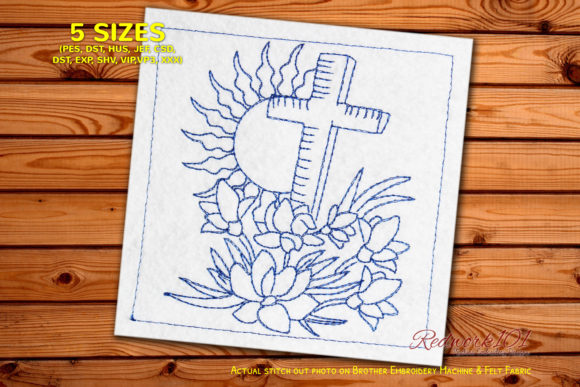
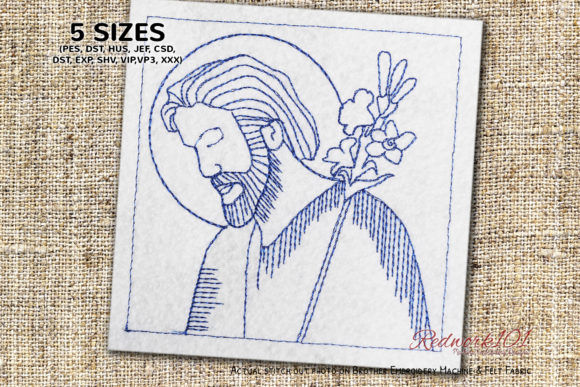
The moment I opened the design preview, the mood struck me as serene and traditional. The "redwork" style typically implies a single-color stitch outline, often in red thread, though modern interpretations allow for multi-color variations. This specific Christ Jesus with Flowers Redwork design features a central figure surrounded by floral elements. The visual weight is balanced, making it ideal for focal points on garments or home decor items.
For designers, the immediate question is: how detailed is the artwork? The flower details appear delicate but not overly intricate, which is crucial for maintaining clarity during the stitching process. The figure of Christ is rendered in a way that respects the medium; it avoids overly complex shading that might look muddy in thread. Instead, it relies on strong outlines and simple fill areas. This makes it a versatile machine embroidery design that can adapt to different color palettes. Whether you are aiming for a vintage church aesthetic or a soft nursery theme, the base design provides a solid foundation. The optional box stitch mentioned in the description adds a nice framing element, allowing you to customize the presentation based on your customer’s preference.
Real-World Application in Handmade Products
I evaluated this design with several common handmade product categories in mind. Here is how I see it performing in actual production scenarios:
- Custom Apparel and Sweatshirt Embroidery: This design translates beautifully to heavyweight cotton blends used in sweatshirts and hoodies. The floral border frames the central figure well on chest placements or back yokes. For custom apparel, the clean lines of the redwork style ensure that the design remains legible even from a distance, which is vital for streetwear or casual religious fashion.
- Tote Bag Design and Aprons: Canvas tote bags and kitchen towels are staples for many Etsy sellers. The Christ Jesus with Flowers Redwork design fits perfectly here. On a natural canvas tote, using a deep red thread creates a striking contrast. On a white kitchen towel, it offers a warm, inviting touch for the kitchen. The design’s vertical orientation works well for apron bibs, adding a touch of faith to functional wear.
- Baby Items and Nursery Decor: For those targeting the baby market, this design offers a gentle, non-gendered option. When stitched in softer threads like cream, light pink, or sage green, the aggressive nature of some religious imagery is softened by the surrounding flowers. It works exceptionally well for personalized gift sets, such as burp cloths, swaddle blankets, or crib bumper accents. The floral elements tie into popular nursery themes, making it a safe yet meaningful choice for new parents.
- Embroidered Patch and Caps: If you plan to create embroidered patches for denim jackets or hats, the defined outer edges of this design make it easy to digitize further if needed. However, be mindful of the hoop size. If the design is large, it may require multiple hooping attempts on curved cap surfaces, which can lead to alignment issues. For flat caps or structured beanies, it serves as a excellent center-front motif.
Practical Considerations for Stitching
No matter how beautiful a design looks on screen, its true value is determined by how it stitches out. Here are some critical technical notes to keep in mind when working with this digital embroidery file.
Hoop Size and Density
Before purchasing or downloading, you must check the hoop size specifications provided by the creator. Large designs can be cumbersome to manage, especially if you do not have a large hoop machine. If the design exceeds your machine’s capabilities, you will need to split it, which can compromise the integrity of the image. Additionally, pay close attention to the stitch density. Redwork styles often use fewer stitches than dense fills, which is generally good for fabric stability. However, if the flower petals use heavy satin stitches, ensure your fabric can support that tension without puckering. Always test on scrap fabric first to verify that the stitch density feels right and does not distort the material.
Fabric and Thread Choices
The success of a redwork design heavily depends on thread contrast. If you are stitching on dark fabric, standard red thread might disappear. In such cases, consider using a metallic thread or a lighter shade of red to ensure visibility. Conversely, on light fabrics, a classic crimson or burgundy thread will pop beautifully. When selecting your thread colors, remember that the product description notes that the outer box color may vary. This suggests flexibility, but you should confirm the intended colorway to maintain brand consistency in your finished product.
Furthermore, the type of stabilizer you use is paramount. For stretchy fabrics like jersey knits used in t-shirts, a cut-away stabilizer is essential to prevent distortion over time. For woven cottons used in aprons, a tear-away might suffice for lighter designs, but given the potential density of the floral elements, a wash-away or cut-away hybrid might offer better long-term durability, especially for items that require frequent washing.
Affecting Product Value and Buyer Trust
For entrepreneurs, the quality of the embroidery directly impacts perceived value. A poorly executed design can lead to returns and negative reviews, while a well-stitched piece builds trust. Using a clean, professionally digitized file like Christ Jesus with Flowers Redwork helps maintain high standards. When customers see crisp lines and consistent tension, they associate that quality with your entire brand.
This design also enhances product photography. The combination of the religious figure and flowers creates a naturally photogenic subject. Whether you are creating a printable mockup for digital sales or photographing physical goods for social media, the design offers emotional resonance that engages viewers. It speaks to values of peace, love, and faith, which can deepen the connection between your brand and your audience. For commercial embroidery projects, this versatility allows you to market the same design across multiple niches—from holiday gifts to everyday faith-based accessories—maximizing your return on investment for the file.
Final Verdict and Licensing Check
Overall, the Christ Jesus with Flowers Redwork design appears to be a solid addition to any embroiderer’s collection. Its classic aesthetic, combined with the decorative flair of the floral elements, makes it suitable for a wide range of applications. From tote bag designs to sweatshirt embroidery, it delivers a professional finish that customers appreciate.
However, before integrating this into your workflow, please adhere to these final steps:
- Verify File Details: Check the Creative Fabrica product page for exact file formats (e.g., PES, DST, JEF) to ensure compatibility with your embroidery machine.
- Review License Terms: As with all design assets, carefully read the license agreement. Confirm whether you are permitted to sell finished physical items made with this design. Some licenses restrict the number of units sold or prohibit resale entirely.
- Test Run: Never skip the test stitch. Use the same fabric and thread you plan to use for the final product to identify any potential issues with thread colors or tension.
If you are looking for a reliable, aesthetically pleasing design that bridges the gap between traditional religious art and modern craft trends, this file is worth considering. It offers the depth needed for serious crafters and the simplicity needed for beginners, making it a valuable tool for expanding your creative portfolio.