Flowers Quilting Embroidery Review
As an embroidery designer who spends countless hours digitizing and testing designs for boutique collections, I am always on the lookout for machine embroidery designs that offer versatility without sacrificing aesthetic appeal. When browsing Creative Fabrica for new assets to add to my library, Flowers Quilting caught my eye immediately. It is categorized under Single Flowers and falls squarely into the Embroidery product type, but its potential extends far beyond simple floral accents. For those of us creating custom apparel, sweatshirt embroidery, or hoodie design projects for Etsy sellers and small shop products, understanding the nuance of a design file is just as important as the stitch quality itself.
First Impressions: Visual Personality and Mood
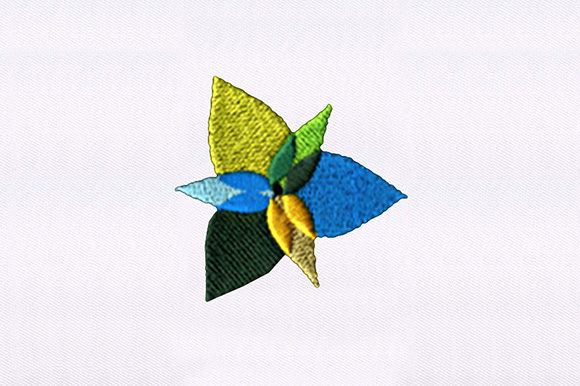
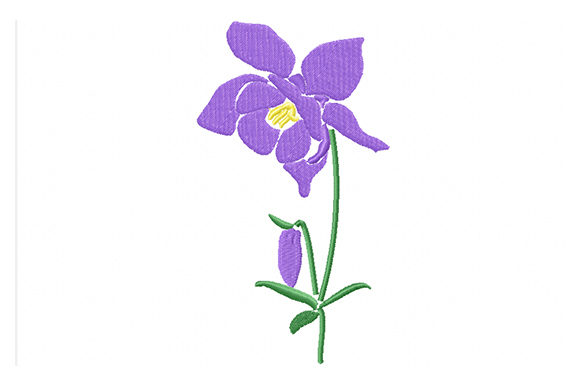
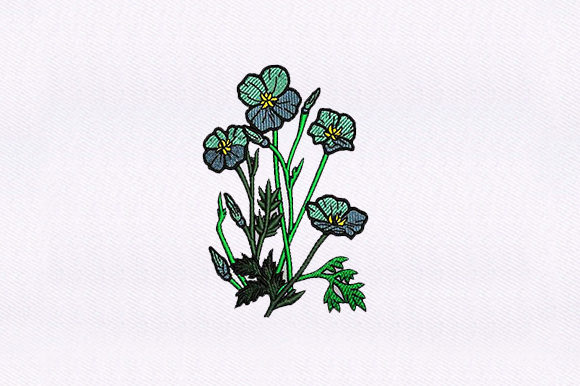
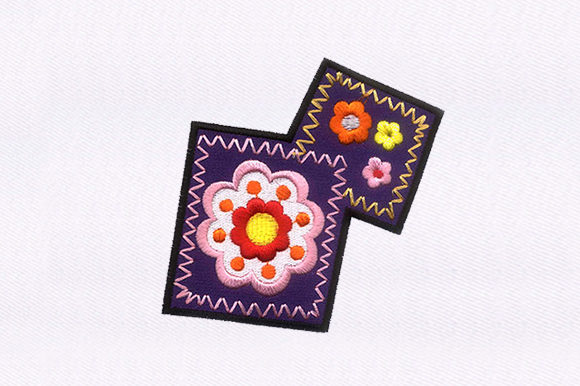
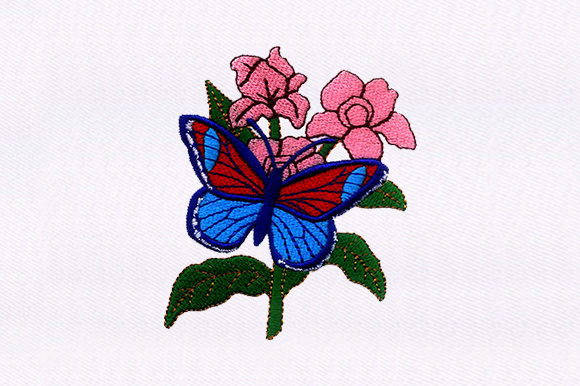
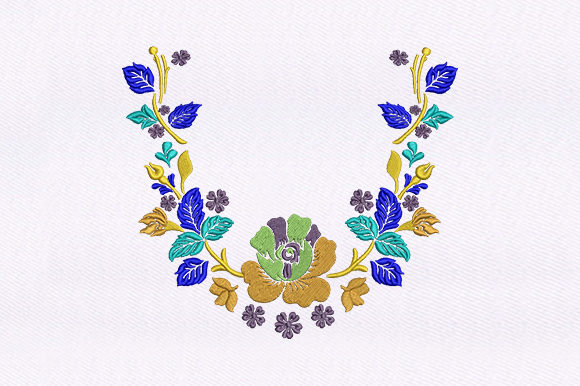
The first thing I noticed about Flowers Quilting is its distinct visual personality. The name suggests a structured, perhaps rustic charm, which aligns perfectly with current trends in cozy seasonal outfits and lifestyle product photos. Unlike overly intricate or delicate floral patterns that can look cluttered on bulky fabrics, this design feels balanced. It possesses a decorative strength that is both trendy and classic, making it suitable for a wide range of brand identities.
In terms of detail level, the design appears to strike a premium balance. It is not so minimal that it disappears on dark garments, nor is it so bold that it overwhelms the wearer. The stitching mood feels playful yet sophisticated, offering a feminine touch that works exceptionally well for boutique brand merchandise. Whether you are aiming for a cute, casual vibe or a more polished professional presentation, Flowers Quilting provides a versatile foundation. Its visual consistency makes it an excellent candidate for creating cohesive collections, ensuring that your finished product maintains a recognizable style across different items.
Application on Boutique Apparel and Sweatshirts
For many creative entrepreneurs, sweatshirt embroidery is a cornerstone of their inventory. Flowers Quilting is particularly well-suited for this medium. Imagine placing this design on a neutral sweatshirt; the contrast allows the thread colors to pop while maintaining a soft, inviting texture. On pastel hoodies, the design adds a layer of depth that elevates the garment from basic to bespoke. For oversized garments, which are currently dominating social media graphics and online shops, a centered or slightly off-center placement of Flowers Quilting creates a focal point that draws the eye without feeling heavy.
Beyond sweatshirts, this machine embroidery design shines on t-shirt embroidery projects. While t-shirts require a lighter touch due to fabric stretch, the structure of Flowers Quilting suggests it holds up well against the movement of cotton blends. Denim jackets also offer an exciting canvas. The rugged texture of denim complements the "quilting" aspect of the design’s name, creating a harmonious blend of materials. Furthermore, tote bag design applications benefit greatly from this file format. A large-scale application on a canvas tote can serve as a powerful marketing tool, turning a simple accessory into a statement piece that enhances buyer trust through professional presentation.
Sleeve Accents and Back Designs
Versatility is key in commercial embroidery. Flowers Quilting can be scaled down effectively for sleeve accents, adding a subtle detail that customers appreciate upon closer inspection. This small addition can significantly impact product recognition, making a standard hoodie feel like a limited-edition item. For back designs, the file’s dimensions likely allow for a prominent display that captures attention in lifestyle product photos. When photographing these items for Etsy listings, a well-placed back design on a cozy seasonal outfit can drive engagement by showcasing the craftsmanship involved.
Strategic Considerations and Careful Placement
While Flowers Quilting is a strong candidate for various projects, experienced designers know that context matters. There are specific areas where this design must be used carefully to ensure durability and aesthetics. Small chest placement requires precision; if the design is too dense, it may pucker on lightweight fabrics. Therefore, checking stitch density before production is essential.
Dense stitch areas should be avoided on highly stretchy fabric or fleece unless proper support is provided. Ribbed fabric presents another challenge; the uneven surface can cause needle deflection, leading to misaligned stitches. Similarly, curved surfaces like the shoulders of a t-shirt or the rounded corners of a tote bag require careful hooping to prevent distortion. Tiny lettering, if included as part of the file, might become illegible when stitched on textured fabric or after washing. Additionally, dark garments demand high-contrast thread colors to ensure the design remains visible and vibrant. Testing on similar garment fabric is crucial to anticipate how the design will behave during actual production.
Impact on Brand Identity and Product Value
Integrating a high-quality digital embroidery file like Flowers Quilting into your workflow does more than just decorate a garment; it builds your brand identity. Customers associate professional embroidery with quality and care. When a handmade product features clean stitches and thoughtful placement, it signals that the seller values detail. This directly influences customer engagement and repeat business. For digital sellers who create printable mockups, having access to such a versatile design allows for rapid prototyping of new collections. You can visualize how Flowers Quilting looks on various base colors and styles, helping you make informed decisions about which items to produce commercially.
Furthermore, using established categories like Single Flowers helps target specific audiences. Buyers searching for floral motifs on Creative Fabrica are often looking for something specific, and Flowers Quilting meets that need with a unique twist. By offering diverse options—from t-shirt embroidery to hoodie design—you cater to a broader market, increasing the potential reach of your small clothing brand.
Practical Designer Notes for Production
To get the best results with Flowers Quilting, follow these practical steps:
- Test on Scrap Fabric: Always run a test stitch-out on the exact fabric you plan to use. This reveals issues with tension, stabilizer choice, or thread compatibility before you commit to a final product.
- Check Stabilizer Choice: Depending on the fabric weight, you may need cut-away or tear-away stabilizer. Heavy fleece might require a stronger backing than a light cotton tee.
- Review Thread Color Contrast: Ensure your thread selection provides enough contrast against the garment color. Light threads on dark garments may require multiple passes or a different shade.
- Confirm Hoop Size: Verify that the design fits within your machine’s hoop size. If the design is larger, you may need to reposition or split the embroidery, which can affect the final look.
- Inspect Stitch Density: High-density designs can stiffen fabric. Test on scrap to ensure the hand-feel remains acceptable for wearable apparel.
- Compare Placement Options: Try different positions (center chest, left pocket, back yoke) to see which offers the most balanced aesthetic for your specific garment style.
Finally, always check Creative Fabrica product details and licensing before selling finished apparel. Understanding the commercial use rights ensures that your business remains compliant and protected. Flowers Quilting, with its robust file formats including 10O, ART, CND, DSB, DST, DSZ, EXP, HUS, JEF, PCS, PEC, PES, TAP, VIP, VP3, and XXX, offers broad compatibility for most modern embroidery machines. However, confirming machine compatibility for your specific equipment is a wise precaution.
In conclusion, Flowers Quilting is a valuable addition to any embroidery designer’s toolkit. Its ability to adapt to various apparel types, from sweatshirts to tote bags, makes it a cost-effective and visually appealing choice. By paying attention to placement, fabric choice, and technical details, you can leverage this design to create professional, high-value products that resonate with your customers and strengthen your boutique brand.