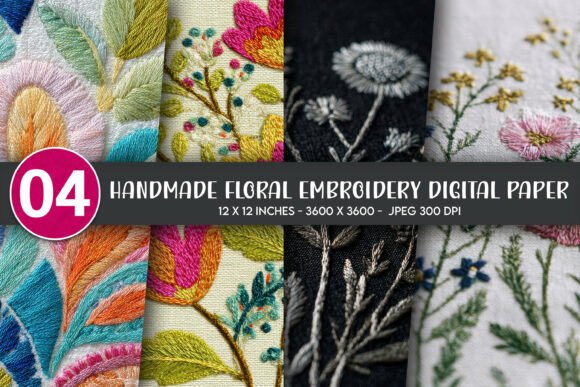
Handmade Floral Embroidery Digital Paper
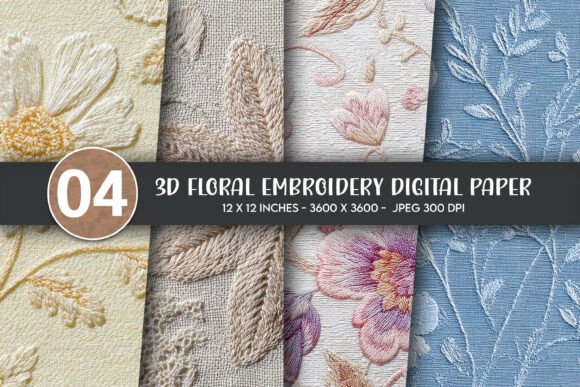
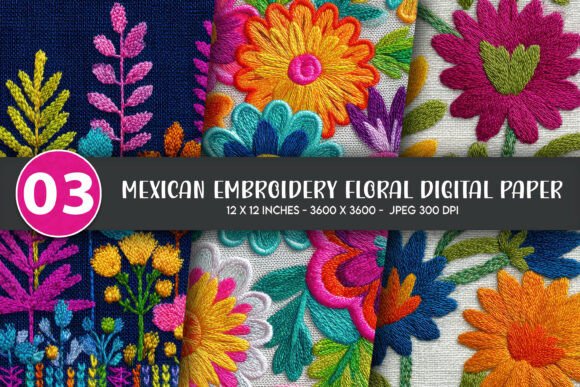
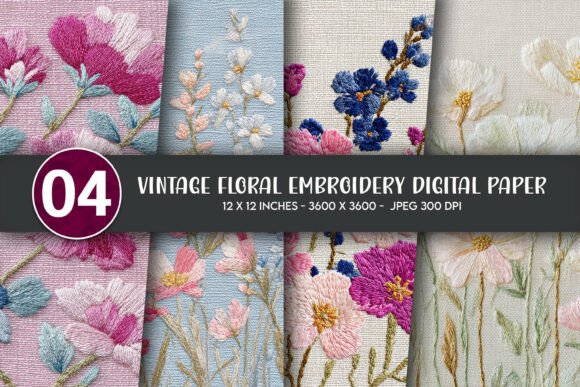
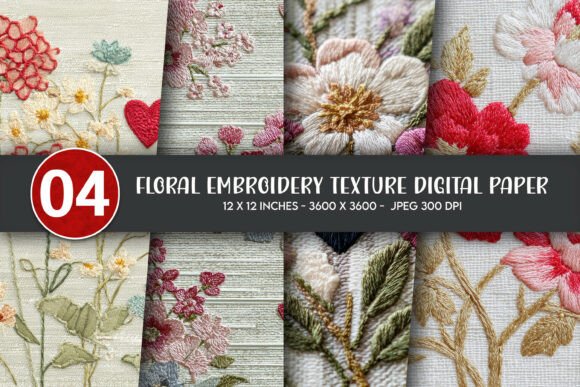
When I first opened the file for Handmade Floral Embroidery Digital Paper, my immediate thought wasn’t about stitch counts or file formats. It was about texture. As a designer who spends hours evaluating how 2D illustrations translate into 3D textile reality, I look for that specific "handmade" quality that separates a generic clip-art vector from a design with soul. This piece delivers exactly that. It feels less like a rigid digital asset and more like a scanned botanical study, which is a crucial distinction for anyone looking to create high-end custom apparel or boutique home goods.
The visual personality of this design is soft yet structured. The floral elements aren’t overly busy; they have breathing room, which is something many modern crafters overlook until it’s too late. In the world of embroidery project planning, negative space is just as important as the motif itself. Here, the layout suggests a natural flow, making it incredibly versatile for different applications. Whether you are preparing a tote bag design for a summer market or creating delicate baby embroidery for a nursery collection, this illustration holds its own without overwhelming the fabric.
Real-World Application: From Screen to Stitch
Let’s talk about where this design truly shines. I recently used a similar aesthetic to conceptualize a line of personalized gifts for a holiday client. Imagine a heavy cotton canvas tote bag featuring this floral paper pattern centered on the front panel. Because the design has that "digital paper" quality, it lends itself beautifully to large-scale fills. It doesn’t need to be tiny to be effective; in fact, scaling it up allows the viewer to appreciate the subtle variations in the petal shapes and leaf veins.
I also envision this working exceptionally well as an embroidered patch for denim jackets or backpacks. When applied to durable fabrics, the contrast between the rugged material and the delicate floral illustration creates a sophisticated juxtaposition that customers love. For Etsy sellers and small business owners, this kind of versatility is gold. You can take one strong design asset and adapt it across multiple product lines—sweatshirt embroidery, kitchen towels, or even wedding gifts like monogrammed handkerchiefs.
The mood of the design is warm and inviting. It fits perfectly into the current trend of "cottagecore" or rustic-chic aesthetics that dominate platforms like Pinterest and Instagram. When you present a printable mockup of this design on a cream-colored linen shirt, the engagement rate tends to be higher because the image feels authentic rather than mass-produced. It signals to the buyer that care was taken in the selection process, which builds customer trust and elevates the perceived value of your finished product.
Where Caution Is Required
However, not every surface is created equal, and no design is universally perfect. While Handmade Floral Embroidery Digital Paper is robust, there are specific scenarios where you need to exercise professional caution. First, consider the hoop size. If you attempt to stitch this on a very small hoop, such as one used for a cap logo or a tiny pocket square, the intricate details may get lost. Fine lines might merge together, turning what should be distinct petals into muddy blobs. Always test the scale before committing to production.
Fabric choice is equally critical. This design relies on clean lines and clear definition. If you plan to use it on a highly textured fabric, like a chunky knit or a rough burlap, the stitches may not sit flat. The thread could sink into the weave, dulling the visual impact. Similarly, stretchy fabrics like thin jersey knits require careful stabilizer usage. Without proper support, the tension of the fill stitch areas could pucker the garment, ruining the silhouette. For dark fabric backgrounds, ensure you have enough contrast in your thread colors. A light floral pattern on black can look striking, but if the detail is too fine, it might disappear from a distance.
Another area to watch is dense stitch areas. If the design includes heavy satin stitching along tight curves, you might encounter needle deflection issues, especially on thinner materials. This can lead to misalignment or skipped stitches. It is always wise to inspect the digitization for any overly complex corners or tiny decorative accents that might not render well on all machines. Remember, a good machine embroidery design anticipates these mechanical limitations.
Practical Designer Notes for Execution
Before you load this file into your machine or add it to your commercial embroidery inventory, follow these practical steps to ensure success:
- Test on Scrap Fabric: Never go straight to the final product. Stitch the design on a scrap piece of the exact fabric you intend to use. This reveals how the stabilizer interacts with the material and whether the thread tension needs adjustment.
- Check Contrast in Black and White: Convert your digital preview to grayscale. This helps you see if the design will hold up visually when color perception varies under different lighting conditions, such as in a retail store or online listing.
- Review Stitch Density: Look closely at the stitch density. Is it appropriate for the fabric weight? Too dense, and you risk puckering; too sparse, and the fabric shows through. Adjustments might be needed depending on your machine’s capabilities.
- Confirm Licensing: Since you are likely using this for a craft business or small shop product, double-check the license terms. Does it allow for commercial use of the finished physical items? Does it permit selling digital mockups? Clarity here protects your brand reputation.
- Inspect Small Details: Zoom in on the finest lines. Are they too thin to stitch reliably? Sometimes, a slight thickening of these lines during the digitizing phase can make a huge difference in durability and clarity.
Enhancing Visual Appeal and Brand Consistency
Using Handmade Floral Embroidery Digital Paper effectively isn’t just about stitching; it’s about presentation. When you showcase your work, consider how the design complements your overall brand identity. If your brand is minimalist, let the floral paper speak for itself with ample negative space. If your brand is maximalist, layer it with complementary patterns or bold typography.
This design also excels in digital product previews. Because it is high-resolution and visually rich, it serves as an excellent design asset for creating listings on Etsy or Shopify. Customers respond well to images that show the texture and depth of the embroidery. By highlighting the "handmade" feel of the original illustration, you reinforce the idea that each item is unique, even if produced in batches.
Furthermore, think about the emotional connection. A holiday embroidery piece featuring this floral motif can evoke feelings of warmth and nostalgia. A gift embroidered with this design feels personal and thoughtful. These emotional cues drive sales more effectively than technical specifications alone. When buyers see a throw pillow or a mug adorned with such a charming pattern, they imagine it in their own homes, which is the ultimate goal of any graphic designer or embroiderer.
In conclusion, Handmade Floral Embroidery Digital Paper is a versatile, high-quality resource that bridges the gap between digital illustration and tactile craft. It offers the reliability needed for professional production while retaining the artistic charm that hobbyists and collectors adore. By respecting its limitations regarding fabric and scale, and by leveraging its strengths in presentation and mood, you can create stunning embroidery files that stand out in a crowded marketplace. Whether you are a seasoned pro or just starting your journey in apparel decoration, this design is a worthy addition to your toolkit. Just remember to test thoroughly, choose your materials wisely, and let the beauty of the handmade aesthetic guide your creative decisions.