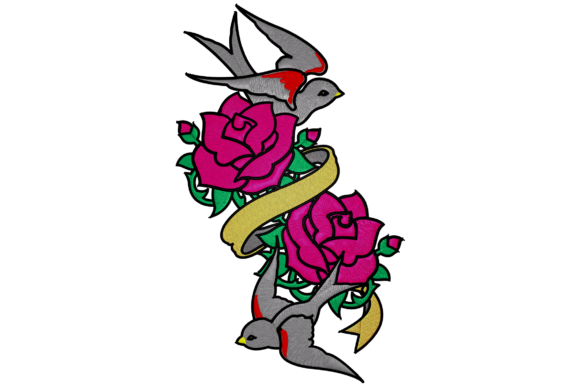
Roses and Swallow Embroidery Review
As an embroidery designer who has digitized thousands of files for everything from corporate uniforms to boutique merch, I know that a design is never just about aesthetics. It is about production viability, brand perception, and the final tactile experience on the garment. When I first encountered Roses and Swallow Embroidery, my immediate reaction was one of cautious optimism. The title suggests a classic, perhaps romantic motif, which is a staple in the handmade industry. However, before committing this file to a commercial production run, we need to look past the pretty picture and analyze its structural integrity, stitch density, and suitability for small business merchandise.
First Impressions: Visual Personality and Brand Fit
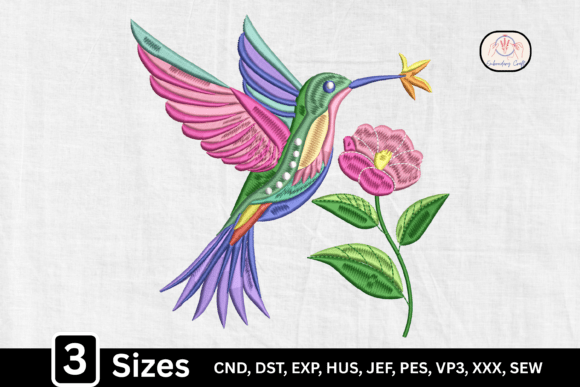
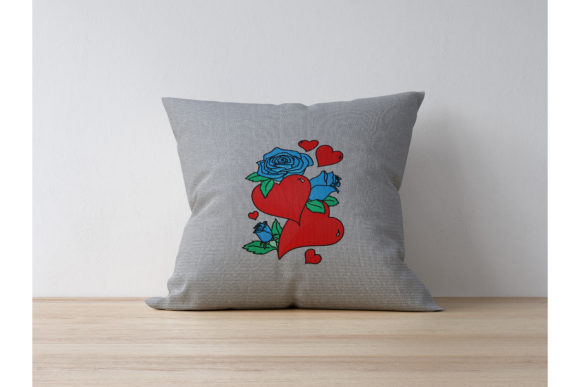
The concept of pairing roses with swallows immediately evokes a specific aesthetic: rustic elegance, freedom, travel, and nature. For a small business owner—whether you run a floral shop, a boutique bakery, or a handmade jewelry brand—this imagery is powerful. It feels friendly yet premium, balancing the delicate nature of flowers with the dynamic movement of birds. This duality allows the design to work across various brand identities, from bohemian and vintage-inspired labels to modern, minimalist studios.
Visually, the combination promises high contrast and visual interest. Roses provide softness and organic curves, while swallows offer sharp lines and directional flow. In terms of brand identity, this design communicates craftsmanship. It signals to the customer that attention to detail matters. However, the success of this communication depends entirely on how well the digital file translates to thread. A poorly digitized swallow can look stiff, while poorly placed rose petals can merge into an indistinct blob. We must assume the best—that the "digitized by hand" claim holds true—but we must verify it through testing.
Real-World Application: Merchandise and Patches
Let’s evaluate Roses and Swallow Embroidery in practical business scenarios. The product description notes availability in five sizes, which is a significant advantage for versatile use. Here is how this machine embroidery design performs in key areas:
- Embroidered Patches: This is likely the strongest use case. The balanced composition works well as a standalone emblem. Whether applied to denim jackets, leather bags, or backpacks, the design offers enough detail to be interesting but enough negative space to remain legible. For a small business merch line, these patches serve as excellent upsell items or loyalty rewards.
- Apron Embroidery: For cafes, bakeries, or florists, placing this design on the chest pocket of a white or natural linen apron creates a warm, inviting impression. The floral element aligns perfectly with food and plant-based businesses. Ensure the placement is centered and elevated to avoid snagging during busy service hours.
- Cap Embroidery: The curvature of a cap front can distort complex designs. If the swallow’s wings are too spread out, they may get cut off or look compressed. Test this design at the smallest size setting to ensure the bird remains recognizable on a curved surface. A smaller, tighter version might be more effective than a large, sprawling one.
- Tote Bag Design: Canvas totes are a staple for craft fairs and Etsy sellers. The durability of canvas pairs well with the robust nature of embroidery. However, watch out for fabric texture issues; loose-weave canvas can cause puckering if the underlay stitches are not dense enough.
- Custom Apparel: On t-shirts and sweatshirts, this design works best as a left-chest logo rather than a large center print. It maintains a subtle, professional look that doesn’t overwhelm the wearer. It fits the current trend of "quiet luxury" in streetwear, where branding is present but understated.
Critical Considerations for Production
Not every design is ready for prime time. As a designer, I urge you to scrutinize Roses and Swallow Embroidery for potential pitfalls before mass production. Certain applications require careful handling:
- Small Patch Sizes: At reduced scales, fine details disappear. If the roses have intricate inner shading or the swallow has delicate feather textures, these may vanish when stitched at 2 inches or smaller. Simplify the design digitally if necessary, or accept that the small version will be more graphic and less illustrative.
- High Stitch Density: Check the fill stitches. If the roses are overly dense, the fabric may pucker, especially on lightweight materials like polyester blends or thin cotton tees. Conversely, if the density is too low, the backing material may show through, giving a cheap appearance.
- Thread Color Contrast: The effectiveness of this design relies heavily on color choice. Light threads on dark fabrics (or vice versa) are essential. Avoid using similar tones for the flower and background, as this will flatten the image. Use a printable mockup to visualize how your specific thread palette interacts with the intended garment color.
- Fabric Texture: Textured fabrics like tweed or heavy denim can hide the nuance of the digitization. Smooth fabrics like jersey or twill will showcase the design’s quality better. Always test on the actual fabric you plan to use.
Impact on Customer Trust and Product Value
Quality embroidery elevates a product from a commodity to a branded asset. When a customer sees Roses and Swallow Embroidery executed cleanly—with no loose threads, consistent tension, and precise alignment—they perceive higher value. It suggests that the business cares about the details. This directly impacts customer trust and engagement. A well-executed embroidered patch on a tote bag becomes a walking advertisement, enhancing brand identity long after the purchase is made.
Furthermore, using a high-quality digital embroidery file reduces waste and rework. Poorly digitized files lead to hooping errors, thread breaks, and frustrated operators. By verifying the structure of this design upfront, you protect your profit margins and reputation.
Practical Designer Notes for Final Approval
Before adding this to your design assets, follow these steps:
- Test in Black and White: Convert the design to monochrome to check for contrast and spacing issues without the distraction of color.
- Inspect Spacing: Ensure there is adequate distance between the rose petals and the swallow wings to prevent tangling.
- Confirm Hoop Size: Verify that the largest size fits within your standard hoop dimensions to avoid mid-stitch rehooping.
- Use Proper Stabilizer: Heavy designs require strong tear-away or cut-away stabilizers to prevent distortion.
- Check Commercial Licensing: Ensure you have the right to sell products featuring this design. Many digital files are for personal use only.
In conclusion, Roses and Swallow Embroidery holds significant promise for small businesses seeking to add a touch of elegance and narrative to their merchandise. Its versatility across patches, apparel, and accessories makes it a valuable addition to any catalog. However, its success hinges on rigorous testing and thoughtful application. By treating it as a professional tool rather than just a decorative element, you can leverage its beauty to build a stronger, more recognizable brand presence.