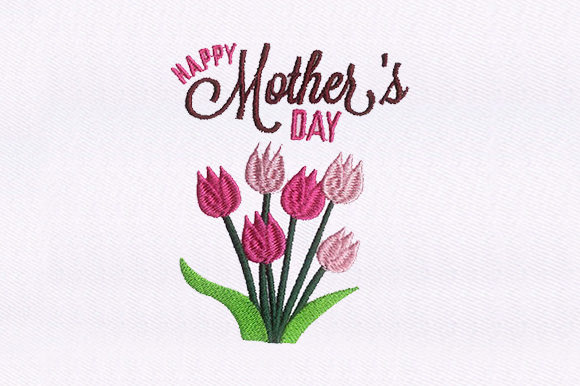
Flowers Mother s Day Review
When I sit down to evaluate a new machine embroidery design, I am rarely looking for just pretty shapes. I am looking for viability. Can this design hold up on a busy shop floor? Will it translate well into a handmade product that a customer will actually use and cherish? Does the file structure allow for clean stitching without excessive trims or thread breaks? Today, I am putting Flowers Mother s Day through that same rigorous practical lens. This is not just about aesthetics; it is about whether this embroidery file earns its place in your digitizing library and your commercial inventory.
First Impressions and Visual Personality
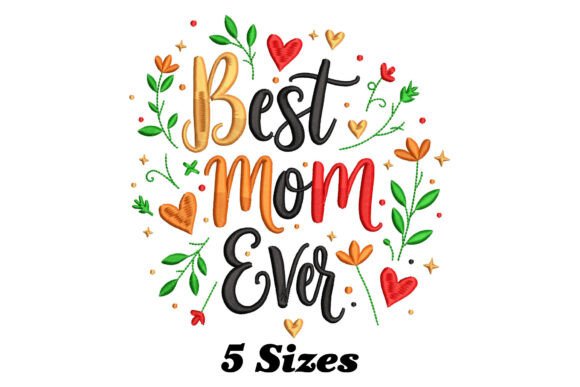
The moment you load the file into your software, the layout of Flowers Mother s Day speaks to a specific kind of warmth. It does not scream for attention with aggressive sizing or overly complex 3D puff effects. Instead, it offers a classic, floral composition that feels timeless rather than trendy. For an Etsy seller or a small business owner, this is a crucial distinction. Trendy designs often have a short shelf life, but a well-executed floral motif has longevity.
The visual personality here is gentle yet structured. The petals and leaves appear to be balanced in a way that suggests careful digitizing. There is a natural flow to the arrangement that works beautifully as a central focal point. Whether you are planning to stitch this onto a tote bag design for a spring market or placing it on a nursery pillow cover, the design commands enough space to be noticed but remains elegant enough to feel sophisticated. It avoids the cluttered look that often plagues lower-quality digital assets, giving the finished piece a professional polish that buyers respond to.
Real-World Application: From File to Finished Product
Let us talk about how this design performs when it hits the hoop. Imagine you are preparing a batch of custom aprons for a local craft fair. You want something that feels personal but looks polished. Flowers Mother s Day fits this scenario perfectly. On a sturdy cotton canvas or a linen blend, the design would likely pop with clarity. The floral elements provide a soft contrast against the texture of the fabric, enhancing the handmade product appeal without overwhelming the garment’s utility.
I also see strong potential here for custom apparel, particularly sweatshirts and heavier t-shirts. The weight of the fabric supports the stitch density required for such a design, ensuring that the threads lay flat and do not pucker the material. For baby embroidery, such as on muslin wraps or tiny bibs, the scale needs to be considered carefully, but if resized appropriately, the delicate nature of the flowers translates into a sweet, gift-ready item. Parents love personalized gifts that feel heirloom-quality, and a well-stitched floral design delivers exactly that sentiment.
Furthermore, consider the commercial embroidery angle. If you are creating branded merchandise for a boutique, this design can serve as a versatile accent. It is not so niche that it limits your audience. A holiday embroidery theme like this performs exceptionally well during the spring season, but its neutral floral palette means it could easily be adapted for other occasions with simple thread color swaps. This versatility increases the ROI on your initial purchase of the digital embroidery file.
Where Caution Is Required
No design is perfect for every surface, and being honest about limitations is part of responsible reviewing. Flowers Mother s Day should be used carefully on small hoop sizes. If you attempt to cram this full floral arrangement into a tiny patch area, you risk losing detail. The individual petals may merge into a muddy blob if the stitch resolution is too high for the available space. Always check the hoop size requirements before committing to a small project.
Textured fabrics present another challenge. While the design looks great on smooth cottons and linens, applying it to highly textured materials like heavy waffle knits or bouclé wool can obscure the finer details of the stitches. The stabilizer becomes critical here; you need a firm backing to prevent the dense areas from sinking into the fabric pile. Similarly, thin or stretchy fabrics require extra stabilization to maintain the integrity of the satin stitch edges. Without proper support, the tension might cause the fabric to pucker, ruining the clean lines of the flower centers.
Dark fabrics also demand attention. Depending on the default thread colors included in the file, a light-colored floral design might get lost against a black background. You may need to adjust the thread colors in your digitizing software to ensure sufficient contrast. Testing on scrap fabric first is non-negotiable when working with dark or patterned textiles. Additionally, curved surfaces like caps can distort the symmetry of the design. If you plan to use this on headwear, consider using a cap frame and possibly adjusting the placement to account for the curvature.
Technical Notes for the Designer
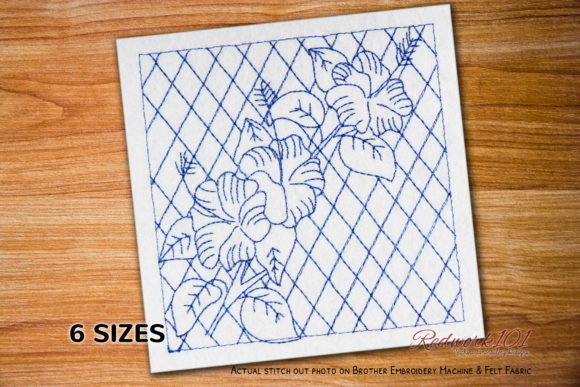
Before you start producing goods, there are several technical steps you must take. First, inspect the stitch types closely. Look for a healthy mix of fill stitch for the petals and running stitch for delicate stems or accents. A good balance ensures efficient stitching time and a pleasing texture. Check the stitch density; if it is too high, you may encounter needle breakage or thread jams, especially on older machines. If it is too low, the fabric might show through, reducing the visual appeal of the final piece.
I strongly recommend testing the design in black and white mockups. This helps you evaluate the value contrast and composition without being distracted by color. It reveals whether the negative space is handled well and if the design reads clearly from a distance. Also, compare how the design looks on both light and dark backgrounds in your preview software. This step saves you from costly mistakes during production.
Stabilizer selection is equally important. For this type of floral design, a cut-away stabilizer is usually best for garments that will be washed frequently, while a tear-away might suffice for one-time-use items like party decorations. Confirm that your chosen stabilizer matches the fabric weight and the intended lifespan of the finished product.
Final Verdict on Value and Usability
Flowers Mother s Day succeeds because it balances beauty with functionality. It is not an overly complex design that requires advanced digitizing skills to execute flawlessly, making it accessible for hobbyists while still offering enough quality for professional craft business use. The broad applicability—from personalized gifts to boutique branding—makes it a valuable asset for any embroidery project library.
However, remember that a file is only as good as its execution. Your success with this design depends on your preparation. Test thoroughly, choose the right fabrics, and respect the limitations of smaller hoops and tricky textures. When done correctly, this design can elevate your small shop product line, adding a touch of elegance that customers appreciate. It is a solid choice for anyone looking to add a reliable, attractive floral element to their repertoire, provided you approach it with the diligence of a seasoned maker.
For those selling these items, ensure you have reviewed the licensing terms associated with the design assets. Understanding what you can and cannot do commercially protects your business and maintains ethical standards in the handmade community. With proper care and realistic expectations, Flowers Mother s Day can indeed become a staple in your workflow, delivering consistent results and happy clients.