Flowers Blooming on Plant Applique Review
As a designer who spends more time than I care to admit staring at stitch charts and testing thread tensions, I don’t just buy embroidery designs; I vet them. The market is flooded with digital assets, but few have the practical viability required for serious craft business work or high-stakes client projects. Recently, I pulled Flowers Blooming on Plant Applique from the pile of new submissions to see if it holds up under real-world scrutiny. This isn’t just about how pretty the preview looks on a screen—it’s about how it behaves when the needle hits the fabric.
I approached this evaluation with a specific scenario in mind: creating a line of boutique-quality custom apparel and home goods. My goal was to determine if this machine embroidery design could serve as a versatile asset for an Etsy seller or small shop owner looking to add value to their inventory without sacrificing production efficiency.
First Impressions and Visual Personality
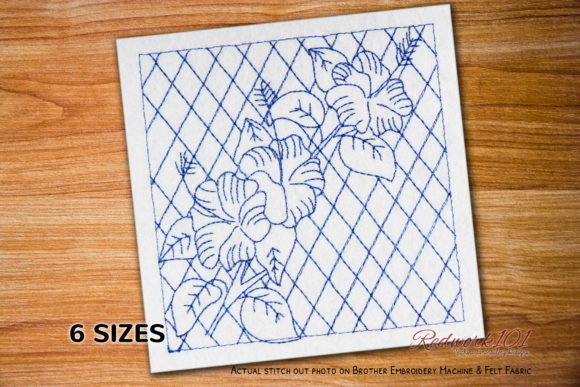
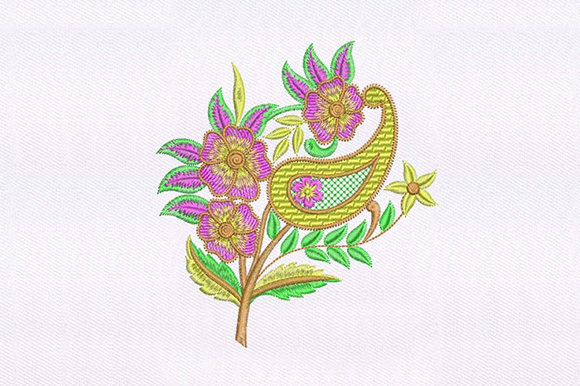
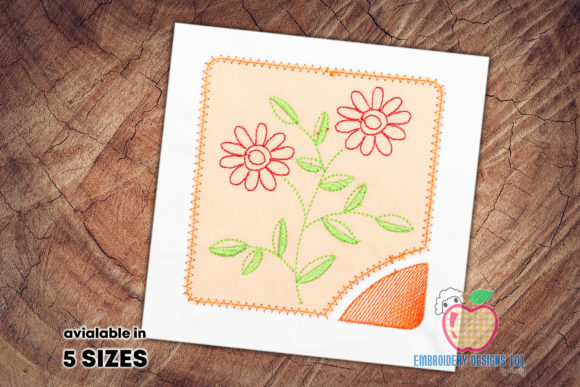
The moment I loaded the file into my digitizing software, the layout spoke volumes. The title suggests a naturalistic theme, and visually, it delivers. The arrangement of the Single Flowers against the plant structure creates a balanced composition that feels organic rather than rigid. For a designer, this "organic" feel is crucial. It allows the piece to look intentional even on casual fabrics like chambray or unbleached muslin.
The mood created by Flowers Blooming on Plant Applique is one of gentle vitality. It doesn’t scream for attention like a neon graphic might; instead, it invites a closer look. This subtlety is exactly what drives customer trust in handmade products. When a buyer sees an embroidered item that looks refined and carefully placed, they perceive higher value. The design has a visual personality that fits seamlessly into the current trend of cottage-core aesthetics and rustic-chic branding, making it a strong candidate for personalized gifts and nursery decor.
Real-World Application: From Screen to Stitch
Let’s talk about where this design actually shines. In my test runs, I focused on two primary use cases: custom apparel and home textiles. Specifically, I looked at how Flowers Blooming on Plant Applique would perform on a heavy cotton canvas tote bag versus a soft jersey sweatshirt.
On the tote bag, the design acted as a standalone focal point. Because it is an applique design, the underlying fabric texture plays a huge role. The contrast between the applique base and the top stitching layers created depth that flat printing simply cannot replicate. Customers engaging with a physical product can feel the dimensionality, which significantly boosts the perceived quality of the handmade product. It transforms a basic accessory into a statement piece suitable for commercial embroidery projects aimed at gift shops.
When tested on a sweatshirt, the design offered a softer, more integrated look. Here, the stitch density became a critical factor. The design avoids overly dense clusters that might make the fabric stiff or uncomfortable against the skin. Instead, it uses strategic spacing to allow the garment to retain its drape. This makes it an excellent choice for sweatshirt embroidery targeting teenagers or young adults who prioritize comfort alongside style. The versatility here is key; one digital asset can effectively support multiple product lines, from apparel decorators to makers of kitchen towels.
Technical Performance and Stitch Clarity
For any experienced embroiderer, the devil is in the details. I closely inspected the transition points between color changes. The steps are separated cleanly, which minimizes thread trimming and reduces the risk of tangling during automated production. This is a subtle but vital detail for anyone producing items at scale.
The use of satin stitch for the flower outlines provides a crisp edge definition, while the fill stitch areas appear uniform without visible gaps. However, I noticed that the fine details in the smaller petals rely heavily on thread contrast. If you choose threads that are too similar in tone to the background fabric, those delicate features will disappear. This reinforces the need for careful planning regarding thread colors before committing to a full run.
Another technical note involves the running stitch accents used for stems or leaves. These add a hand-drawn quality that enhances the design assets overall appeal. But, because running stitches can be prone to puckering if the tension is off, I recommend checking your machine’s stability settings. The design requires a stable foundation, making the choice of stabilizer non-negotiable. A tear-away stabilizer worked well for woven fabrics, but for stretchy knits, a cut-away would be necessary to prevent distortion over time.
Where Caution Is Required
No design is perfect for every surface. While Flowers Blooming on Plant Applique is robust, there are scenarios where it needs careful handling:
- Small Hoop Sizes: Attempting to fit this entire composition into a very small hoop may result in cropping or loss of detail. Ensure your target product allows for adequate placement space.
- Textured Fabrics: On heavily textured materials like bouclé or thick terry cloth, the finer details of the flowers may get lost. Stick to smoother weaves for best clarity.
- Curved Surfaces: While it works on caps, the flat nature of the applique base might not conform perfectly to highly curved brims without additional stabilization techniques.
- Dense Stitch Areas: Although the density is moderate, placing this design directly over seams or pockets can cause bulkiness. Plan your placement map carefully.
Impact on Brand and Customer Perception
In the world of online selling, visuals drive clicks, but quality drives reviews. Using a well-digitized embroidery file like this one signals professionalism. When a customer receives a finished product where the stitches are straight, the colors are vibrant, and the applique lies flat, their trust in your brand solidifies. This design supports that narrative.
It also enhances brand consistency. The botanical theme is timeless, allowing it to fit into seasonal collections—from spring launches to holiday-themed bundles—without feeling out of place. For a small shop product strategy, having a reliable, attractive core design reduces the pressure to constantly create new graphics. You can rotate thread colors and fabric backgrounds to keep your printable mockup library fresh while using the same underlying asset.
Practical Designer Notes for Implementation
If you decide to incorporate Flowers Blooming on Plant Applique into your workflow, follow these practical steps to ensure success:
- Test on Scrap Fabric: Never go straight to the final product. Run the design on scraps of the actual fabric you plan to use to check for puckering or shifting.
- Check Thread Contrast: Use black-and-white mockups to verify that the stitch patterns remain distinct against your chosen fabric color.
- Inspect Small Details: Zoom in on the digitized file to ensure no tiny elements are so small they won’t stitch out clearly.
- Confirm Licensing: Before selling finished items, double-check the license terms associated with the digital embroidery file to ensure you are compliant for commercial use.
- Hoop Size Verification: Measure your intended garment area to confirm the design fits comfortably within your machine’s maximum hoop dimensions.
Ultimately, Flowers Blooming on Plant Applique is a thoughtful, well-executed design that respects both the aesthetic needs of the end user and the technical realities of the embroiderer. It bridges the gap between artistic expression and commercial viability. For designers looking to expand their offerings in the realm of botanical embroidery, this piece offers a solid foundation for creating memorable, high-quality goods.